St. Patrick’s Day Plaid Digital Paper for Creative Workflows
St. Patrick’s Day plaid digital paper is a versatile design asset that can enhance a wide range of creative and professional projects. Whether you're working on a personal craft, a marketing campaign, or a commercial product, this high-quality digital pattern offers a seamless and consistent look that aligns with the festive spirit of St. Patrick’s Day. With its crisp resolution and repeating design, it's ideal for both digital and physical applications.
Understanding St. Patrick’s Day Plaid Digital Paper
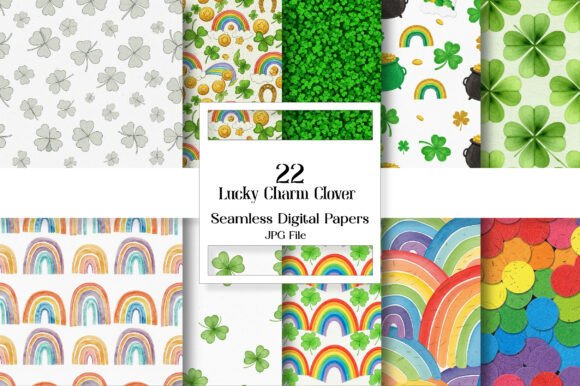
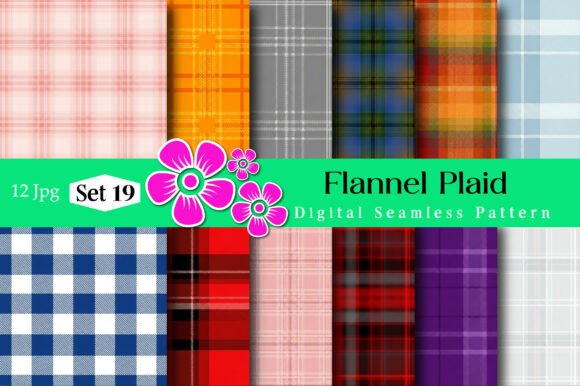
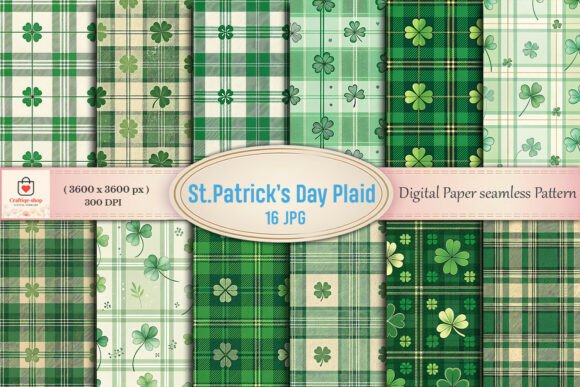
St. Patrick’s Day plaid digital paper refers to a set of high-resolution image files featuring traditional green shamrock tartan patterns. These designs are optimized for use in various creative workflows, including graphic design, print production, and digital fabrication. The 3600 x 3600 pixel size at 300 DPI ensures that the patterns remain sharp and clear when scaled for different uses.
The seamless nature of the pattern means it can be repeated without visible seams, making it perfect for backgrounds, fabric wraps, and large-format prints. This feature is especially useful for designers who need to maintain visual consistency across multiple project elements.
Integrating St. Patrick’s Day Plaid Digital Paper into Your Workflow
St. Patrick’s Day plaid digital paper can be used at multiple stages of a project, from initial planning to final execution. Before starting a new design, you might use these patterns as a base layer to establish a cohesive visual theme. During the development phase, they can serve as a background for mockups, illustrations, or layouts. After completion, they can be applied to physical products or digital assets for branding and presentation.
For example, if you're designing a promotional poster for a St. Patrick’s Day event, you could start by selecting a plaid pattern as the background. This sets the tone for the entire design and ensures that all elements—text, images, and graphics—align with the chosen aesthetic.
Practical Use Cases for St. Patrick’s Day Plaid Digital Paper
St. Patrick’s Day plaid digital paper is highly adaptable and can be used in various creative and business contexts. Here are some common applications:
- Cricut and Silhouette Projects: Use the digital paper as a cutting template for custom signs, banners, or decorations. The high-resolution format ensures precise cuts and clean edges.
- Sublimation Printing: Apply the pattern to mugs, t-shirts, and tumblers for personalized merchandise. The seamless design allows for continuous printing without visible breaks.
- Scrapbooking and Journaling: Incorporate the plaid background into scrapbook pages or journal covers for a thematic touch. It adds texture and depth without overwhelming other elements.
- Party Invitations and Decor: Print invitations, banners, or table runners using the digital paper. Its vibrant green color and classic pattern make it ideal for festive occasions.
- Fabric Wrapping and Packaging: Use the pattern as a wrapping paper or label for gift boxes. The high-quality resolution ensures that the design remains clear and detailed.
Workflow Integration and Compatibility
When integrating St. Patrick’s Day plaid digital paper into your workflow, consider compatibility with the tools and platforms you use. Most design software, such as Adobe Photoshop, Illustrator, and Canva, supports JPEG files and can easily incorporate the pattern into projects. For users working with digital fabrication tools like Cricut or Silhouette, ensure that the file format and resolution match the requirements of the machine.
Organizing your digital assets is also important. Store the 16 JPEG files in a dedicated folder, labeled clearly for easy access. This helps streamline your workflow and reduces time spent searching for specific files during a project.
Efficiency and Consistency in Design
One of the key benefits of using St. Patrick’s Day plaid digital paper is the ability to maintain consistency across multiple design elements. Whether you're creating a series of social media posts, a marketing brochure, or a product line, the uniformity of the pattern ensures that all components feel part of a cohesive whole.
To maximize efficiency, consider using the digital paper as a template for future projects. This saves time and effort, as you can reuse the same pattern without having to recreate it from scratch. Additionally, the high-resolution format allows for flexibility in scaling, so you can adapt the design to different sizes and formats without compromising quality.
Commercial and Personal Use
The versatility of St. Patrick’s Day plaid digital paper makes it suitable for both personal and commercial use. For hobbyists, it provides a cost-effective way to create custom crafts, decorations, and keepsakes. For small businesses, it offers an affordable solution for branding, packaging, and promotional materials.
When using the digital paper for commercial purposes, ensure that you comply with any licensing agreements. Many digital assets allow for commercial use, but it's always wise to review the terms before incorporating them into paid projects.
Long-Term Value and Maintenance
Investing in high-quality digital assets like St. Patrick’s Day plaid digital paper can provide long-term value. Unlike physical materials, which may degrade over time, digital files remain intact and usable indefinitely. This makes them a sustainable choice for ongoing creative and business needs.
To maintain the quality of your digital files, store them in a secure location, such as an external drive or cloud storage service. Regularly back up your files to prevent data loss, especially if they are integral to your workflow or business operations.
Conclusion: Enhancing Creativity with St. Patrick’s Day Plaid Digital Paper
St. Patrick’s Day plaid digital paper is a valuable tool for anyone involved in creative or professional work. Its high-quality design, seamless pattern, and versatility make it an essential asset for a wide range of applications. By integrating it into your workflow, you can streamline your design process, maintain visual consistency, and elevate the quality of your projects.