Soft Watercolor Heart Pattern: A Delicate Touch for Creative Projects
The Soft Watercolor Heart Pattern is a beautiful and versatile design that blends the elegance of hand-painted art with the simplicity of modern digital aesthetics. Featuring gentle, flowing lines and soft hues, this pattern offers a romantic and playful feel that can enhance a wide range of creative projects. Whether you're designing stationery, textiles, or digital backgrounds, this pattern provides a light and airy look that feels both timeless and contemporary.
What Makes Soft Watercolor Heart Pattern Unique?
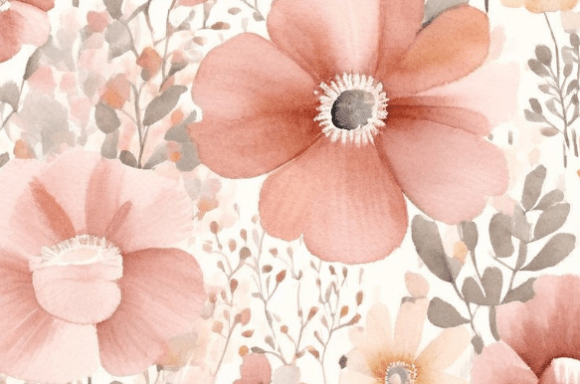
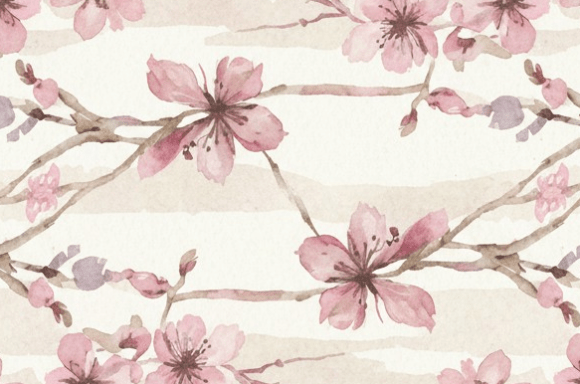
Unlike bold or geometric patterns, the Soft Watercolor Heart Pattern relies on subtle textures and muted tones to create a calming visual effect. The hearts are not rigid or stylized but instead appear as if they were painted by hand, giving the design an organic and personal touch. This makes it ideal for projects that require a sense of warmth and intimacy, such as wedding invitations, greeting cards, or branding materials for lifestyle or wellness businesses.
One of the main reasons people are drawn to this pattern is its ability to evoke emotion without overwhelming the viewer. The softness of the colors and the fluidity of the shapes make it suitable for both professional and personal use. It’s also highly adaptable, working well in monochrome or multi-color schemes depending on the desired outcome.
Common Mistakes When Using Soft Watercolor Heart Pattern
While the Soft Watercolor Heart Pattern is visually appealing, there are several common mistakes that users may encounter when incorporating it into their work. One of the most frequent errors is using the pattern in excessive amounts. Because the design is delicate, overusing it can lead to a cluttered or unprofessional appearance. For example, a website background with a dense heart pattern might distract from the content rather than complement it.
Another mistake is choosing the wrong color palette. While the pattern is typically associated with pastel shades, some users may opt for overly bright or contrasting colors that clash with the intended softness. This can make the design feel jarring instead of soothing. It’s important to consider how the colors interact with other elements in the composition.
A third error is neglecting to check the resolution and file format. Many people download patterns without verifying their quality, which can result in blurry or pixelated images when printed or scaled up. Always ensure that the pattern is available in high resolution and in a format compatible with your project, such as PNG or SVG.
How to Avoid Common Pitfalls
To get the most out of the Soft Watercolor Heart Pattern, start by understanding the context in which it will be used. If you’re designing a website, consider using the pattern as a subtle overlay rather than a full-background element. This allows the pattern to add character without overwhelming the user experience.
When selecting colors, stick to a cohesive scheme that aligns with your brand or project’s tone. If you're unsure, test the pattern with different color combinations to see what works best. Tools like Adobe Color or Coolors can help you find complementary shades that enhance the softness of the design.
Before downloading or purchasing a pattern, always review the specifications. Look for details such as file size, resolution, and licensing information. Some patterns may have restrictions on commercial use, so it’s essential to confirm that the license allows for your intended application.
Practical Tips for Working With Soft Watercolor Heart Pattern
If you're new to using watercolor-style patterns, start with small-scale projects to get a feel for how the design behaves. For instance, try applying the pattern to a single element, such as a header or border, before expanding it to larger areas. This approach helps maintain balance and prevents the design from becoming too dominant.
Another useful strategy is to layer the pattern with other textures or elements. Combining it with a subtle gradient or a minimalist font can create depth and visual interest without sacrificing the soft, romantic vibe. This technique is especially effective in print design, where texture plays a significant role in the overall aesthetic.
For digital projects, consider using the pattern as a background in a transparent format. This allows it to blend seamlessly with other design elements while maintaining its delicate charm. You can also adjust the opacity of the pattern to control how prominent it appears in the final design.
What to Check Before Making a Decision
Before committing to the Soft Watercolor Heart Pattern, take the time to evaluate its suitability for your specific needs. Ask yourself questions such as: Does the pattern align with the message or mood I want to convey? Will it work across different platforms and mediums? Is the file quality appropriate for my project’s scale?
Additionally, consider the source of the pattern. Free resources may offer convenience, but they often come with limitations on usage or quality. Paid options, on the other hand, may provide more flexibility and higher resolution files. Always read the terms of use carefully to avoid any legal or technical issues down the line.
Conclusion: Embrace the Beauty of Soft Watercolor Heart Pattern
The Soft Watercolor Heart Pattern is more than just an aesthetic choice—it’s a thoughtful way to add personality and depth to your creative work. By avoiding common mistakes and making informed decisions, you can ensure that this design enhances your projects rather than detracts from them. Whether you're a designer, marketer, or hobbyist, this pattern offers a unique opportunity to express creativity with grace and subtlety.